
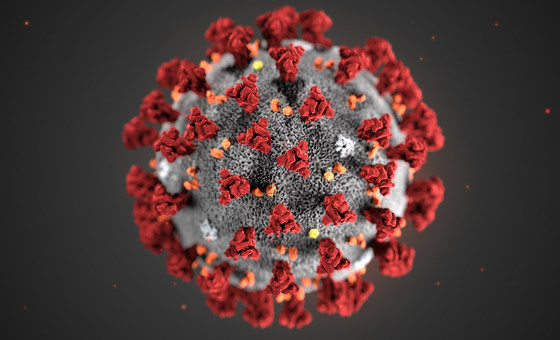
Today I went to my local drug store and got my latest Covid vaccine in hopes that if I am infected in the future, my symptoms will be mild. It occurred to me that after several years, we still face a continuing and evolving global heath, economic, and social threat created by the mutating respiratory virus. In the July 6, 2020 post of this blog, I proposed a multi-\layer defense system to respond to the emerging threat. I am disappointed that I have not seen a system that is as yet available. I believe that an enhanced national Covid defense program beyond what now exists for treatment and vaccination development, should be focused on systems engineering to effectively deal with this problem.
I believe that a coordinated effort should be initiated working with the existing bioscience community but calling for the active participation of the nation’s engineering and industrial talents. I am proposing the development of an information-based multilayer defense approach consisting of a system of systems. The immediate need in this system is real time high-sensitivity and high-specificity virus detection system. The location and temporal detection would be coupled with a national surveillance system that tracks virus detection and syndromic data collection. With millions of ubiquitous instant inputs of data to the national surveillance and data collection system, (NSDS) the next level of defense would be coordinated to respond in order to apply immediate antiviral treatment and protect involved facilities.
I propose that the already existing self protection respiratory protection mask approach be enhanced to include methods for detection of the virus as well as instant defeat of its activity. The first step in the development of this Smart Mask would be the inclusion of detection and location of the event. A highly specific sensor would apply nano/bio technology to collect and analyze the virus both exhaled into the mask and inhaled from the background. A miniature power source and GPS would provide this information to a smart phone, and to the surveillance system. The material in the mask can include anti viral materials as well as electrical, bio-optical, and chemical methods to defeat the virus to prevent further spread. In order to initiate the development and manufacture of Smart Mask, I propose an initial step involving existing sensor technology to identify a threat with high sensitivity but limited specificity. This data on all respiratory diseases would be provided to the NSDS to initially develop the vital data management and response approaches.
In parallel with this activity, the high specificity sensor would be developed and tested in vitro with the virus. Once the needed level of specificity is achieved, the sensor would be incorporated in the initial Smart Mask and a sufficient number of masks would be manufactured for field testing in a variety of environments using human subjects but with a non active but representative virus. The next step would involve industry to produce tests for deployment and extensive field testing, and then manufacture, distribution, and support for the capability. The same sensor and information management technology could be incorporated in HVAC systems to provide detection of the virus in public and private buildings, with immediate attention to school buildings.
The proposed initiative will require secure information and data management, materials science, microelectronics, bio science, and systems engineering coordination that is already available in the national engineering community but would require a coordinating office for this Covid Defense Initiative.

 SDI Guy