
“It would not be prudent at this juncture.”
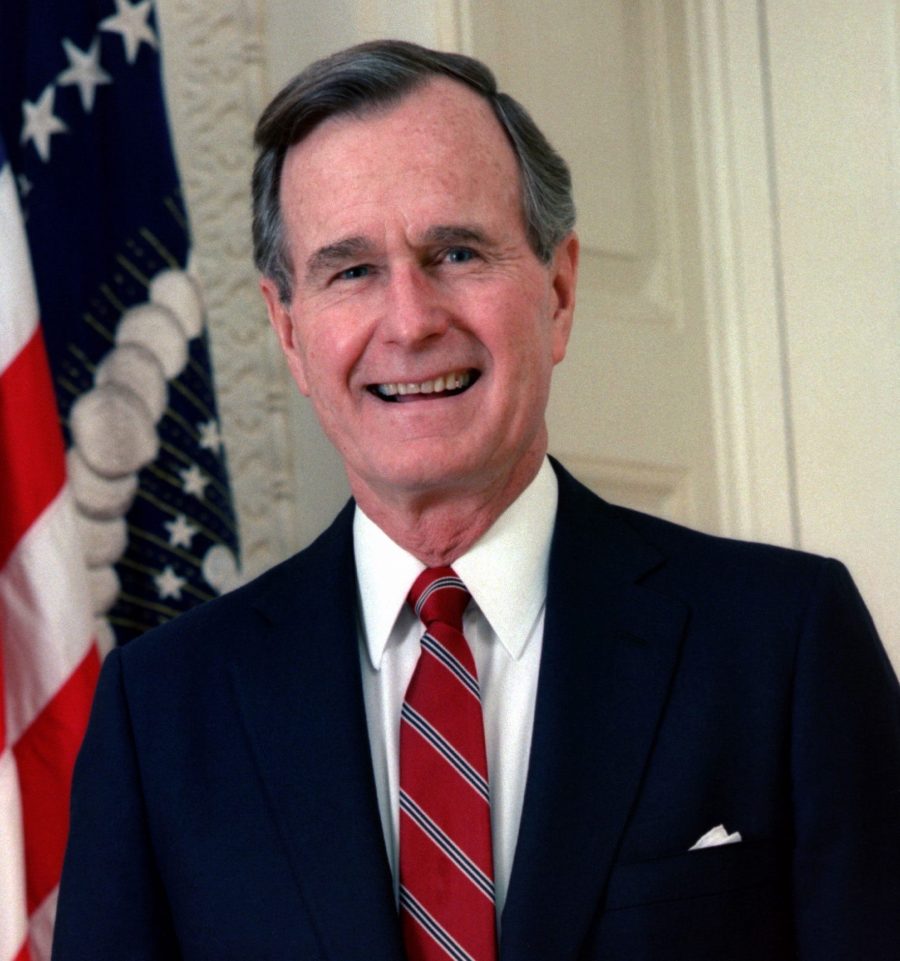
On “Saturday Night Live,” comedian Dana Carvey, impersonated President George Herbert Walker Bush with the memorable line, “it would not be prudent at this juncture.” It was not only humorous, but an accurate description of the thoughtful approach, as well as the personality and character of the man who I had interacted with when I was the Chief Scientist of the SDI.
Reflecting on the man after his recent death, I recall the way he acted with prudence after the implosion of the Soviet Union. On Sept. 28, 1991, Bush announced his strategic nuclear weapons plans. He wanted to curtail further deployment of all nuclear tipped nuclear weapons. He wanted to limit all of our ICBMs to single warheads in order to avoid any perceived benefit from a first strike and to negotiate a posture of convincing deterrence. Part of this strategy was that there not be any sort of global missile defense as proposed by Ronald Reagan. He did recognize the growing proliferation of short-range ballistic missiles, and he called for developing and deploying limited defenses that would still be effective against the growing threat from rogue states.
His approach in 1991 was to maintain deterrence based on threat of mutual assured destruction while assuring the Russians that we had no intention of defending ourselves against their ability to retaliate. He had not changed his point of view from that when I met with him six years earlier. He had been asked by President Reagan to visit our allies and negotiate agreements with them to join us in a giant R&D program. Secretary of Defense Caspar Weinberger offered the allies prospects of lucrative contracts and technology sharing if they would sign on to supporting our SDI program.
I was asked to go along on the trip and provide low key technical back up to the negotiations. Bush invited me to visit him in his office and give him a one-on-one briefing on the program. He was cordial, informal and a good listener, but he obviously was not interested in details. We sat in overstuffed leather chairs next to a coffee table that had a signed picture of his previous vice-presidential opponent Gerry Ferraro. I noticed his plaid watch band that struck me as what would be expected of a prep school high school student and we chatted back and forth as if we were old friends.
After we talked, he asked me to come on over for dinner and continue the discussion with some of his friends. The old friends were all distinguished members of the political strategic weapons community and after dinner we went around the table and shared thoughts with the vice president. All of the comments about SDI ranged from mild disagreement to outright opposition.
Harold Brown, former secretary of defense under Jimmy Carter, said “SDI is not a very good idea…it is a mistaken commitment to a real gamble.” Other comments basically argued that this program would mess up our relations with the allies that Bush would face on the trip. After listening to all of the opinions without comment, he closed the discussion by saying, ‘This is a listening trip…. not an SDI trip…this is a prudent step.”
I still thought the trip was on and even bought a new suit for the trip, rather than the threadbare one I had worn to dinner, but I soon learned that Reagan had decided to focus the trip on counter terrorism, not SDI, and my services were no longer needed. I should have realized that Bush believed that the trip was “not prudent at this juncture.”
With his calm, careful and thoughtful approach, Bush never sought nor received much attention in the Reagan administration, so it was not obvious at that the time that he was destined for greatness. When he was elected as President, he provided honest and clear-thinking leadership that served our nation well. He will be recognized as one of our greatest Presidents and we sure could benefit from a George Herbert Walker Bush in the White House today.
 SDI Guy