
In my April blog post, I suggested a multi-layer defense against the COVID-19 pandemic that is plaguing the world, and since then, the response has been inadequate. That is, except for the miraculous development of vaccines, which should hopefully in the near term greatly improve our survival and return our normal lives if used as the first layer of defense.
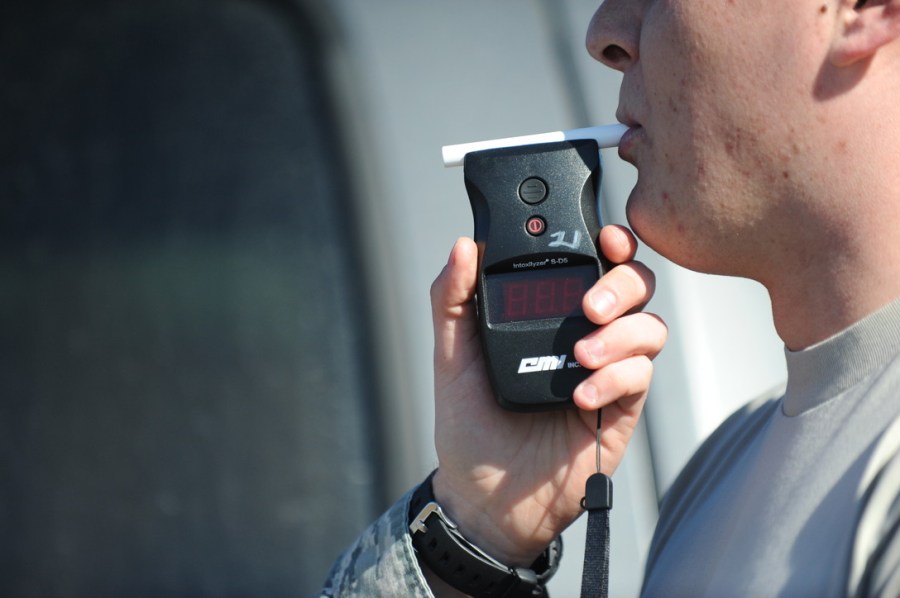
As the second layer, I proposed an approach that involved a virus detection breath analyzer at the portal to a virus free facility. The device would instantly detect a potential spreader of the disease, prevent the entry and preserve the safety of the occupants. I am not aware of any progress toward such a sensor, but I am optimistic that such a sensor will eventually be developed. Nevertheless, we have learned that such viruses mutate and others will appear and I suggest we will need to develop and deploy methods to protect all indoor facilities in the future, and the most immediate need is to open our schools.
We all want the kids to be able to go back to school, interact with their class mates and their teachers, but instead they are sitting at home staring at a computer, which is admittedly likely to be increasingly the route to education. Nevertheless, in-person learning will still be necessary for at least part of all educational experiences. We are told by the epidemiologists that the primary problem with indoor education is the danger of becoming infected by sharing other people’s air. In my April post on multi layer virus defense, the last defense layer for schools has to be virus free air in the class room. A major modification of the ventilation in schools including HEPA filters would certainly help, but that might be impractical or prohibitively expensive particularly in older construction. So a reasonable near term approach would be the use in each class room of a portable air purifier using a HEPA filter that includes a sensitive and specific sensor to detect a virus in the intake air flow. The sensor could set off an alarm when detecting a virus and would require putting on masks and evacuating the room.
Several months ago, I suggested, based on published reviews of virus detectors, a real time bio/optical virus sensor that would be both specific and sensitive, and I am sure that many researchers are pursuing this approach as well as many other virus detectors. Even with successful near term development of vaccines, and eventually portal monitors, schools will still need air purifiers and virus warning systems, as common as today’s smoke detectors and fire suppression systems in all clas rooms. In my opinion, the system engineering, manufacturing and deployment of smart air purifiers in classrooms should be given the highest priority.
 SDI Guy